Twilight real estate photography on your phone
The most expensive-looking image you can put on a listing — for the cost of one extra trip and a 20-minute window of light.
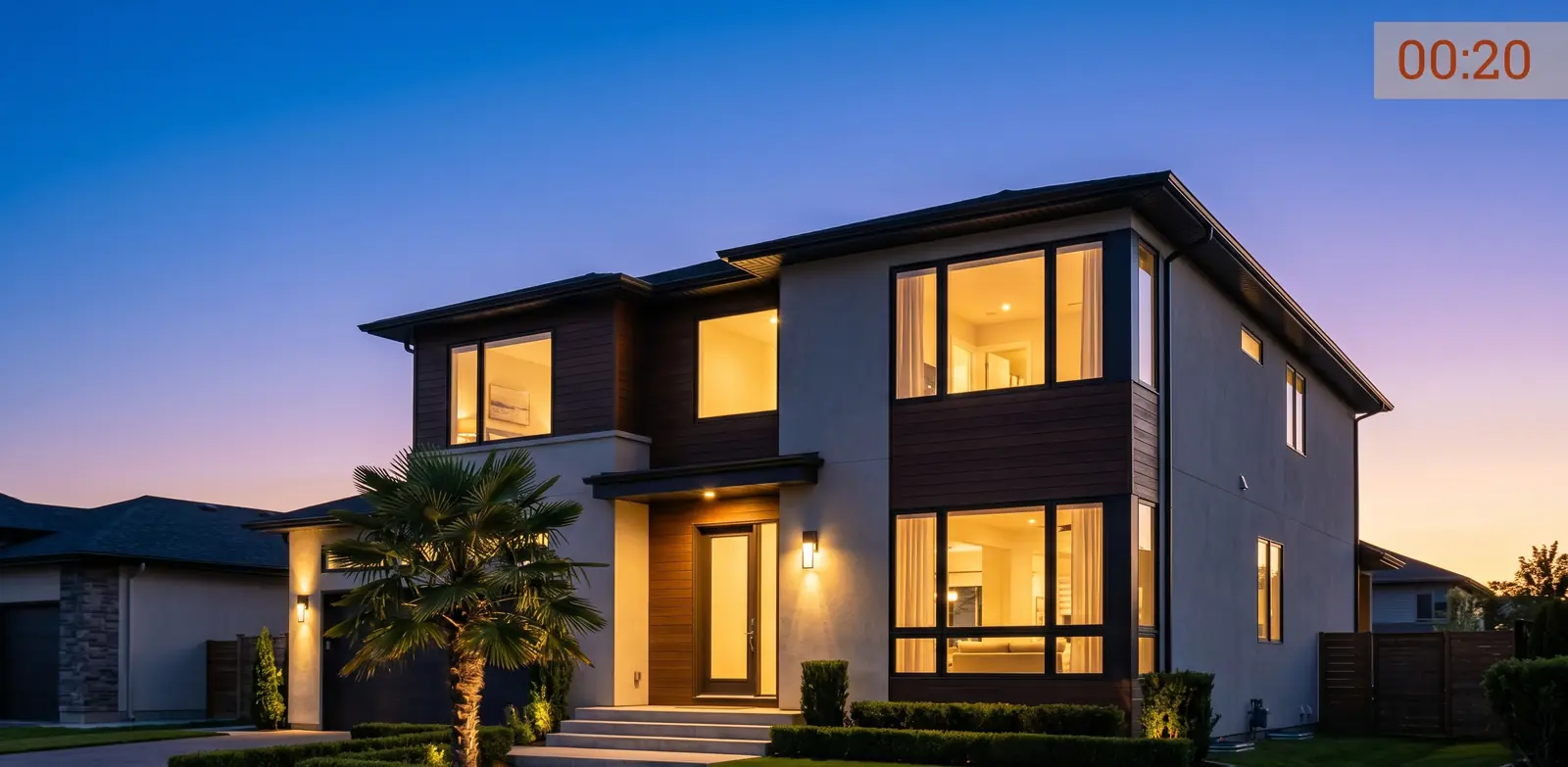
A twilight shot is the most expensive-looking image you can put on a listing. It says “this home is special” before the buyer reads a word of description. It is also the shot most agents assume requires a professional, a DSLR, and an hour of editing — and that assumption is wrong by 2026.
A modern phone, a $30 tripod, and a 20-minute window of light will produce a twilight shot that holds its own on the carousel. Here is the high-level overview. The full version, with extended bracket-exposure technique and post-processing, lives at Twilight photography for real estate listings.
What “twilight” actually means
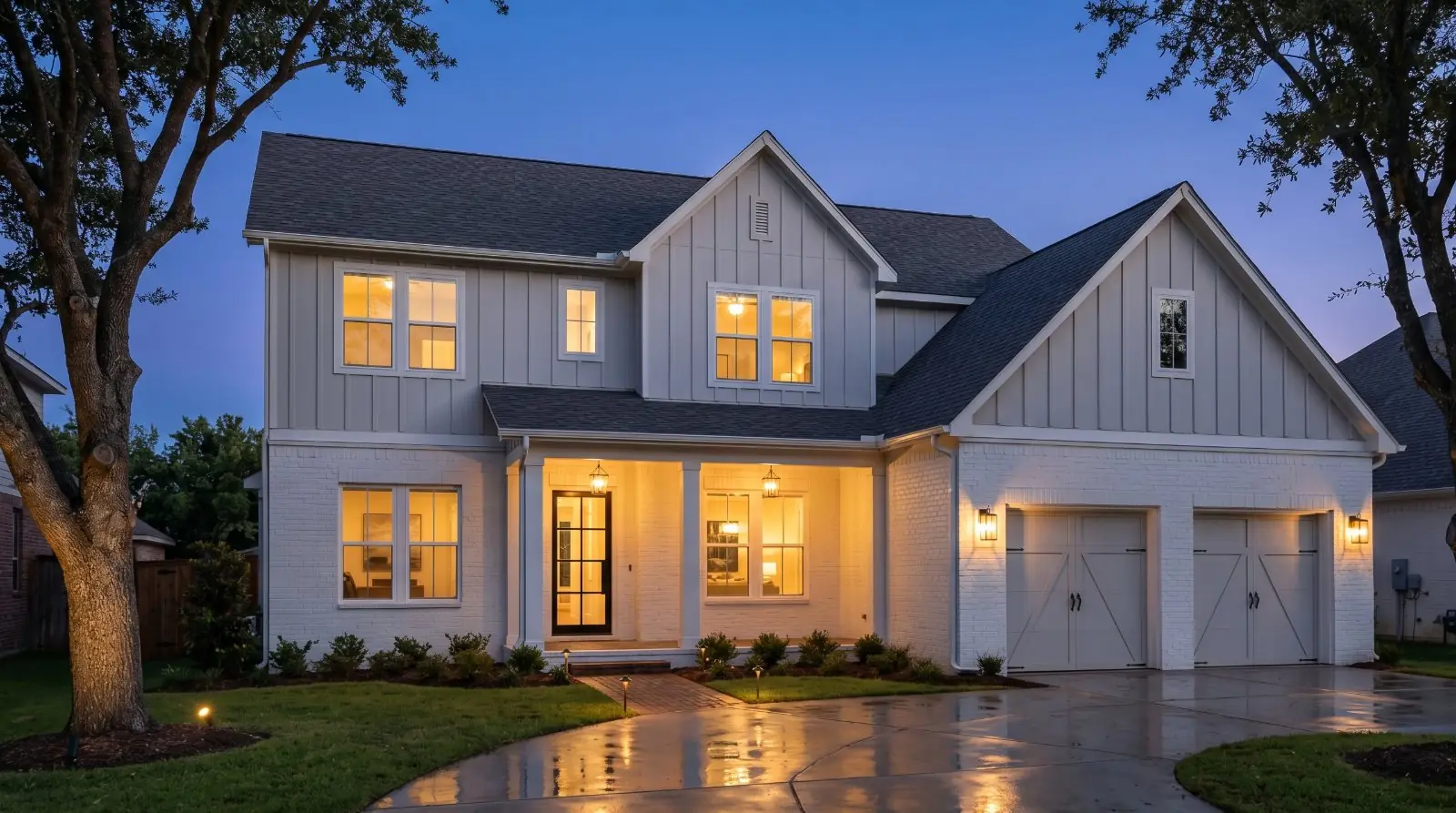
There are two twilight windows each day. For listing photography, the one that matters is evening civil twilight: roughly the 20 to 30 minutes after sunset, when the sky is still bright enough to register as blue but the interior lights of the home read as warm pools against it.
That window is the entire shoot. Once full dark has set in, the sky goes black, the home looks isolated, and you have lost the photo.
This is also the most-cited “sweet spot” in real-estate photography for a reason. NAR and major real-estate-photography industry surveys consistently note that twilight shots are the most-engaged-with listing image on first-page MLS results when one is included. They get clicks.
What makes a twilight shot work
Three properties of the light:
1. The sky is the same brightness as the interior. During the 20-minute window, the blue sky and the warm interior lights are roughly balanced. The phone can hold both in one exposure without one overpowering the other. This is the entire reason twilight works on a phone — the dynamic range is finally inside the camera’s range.
2. The colour contrast is rich. Cool blue sky against warm interior windows is one of the strongest natural colour pairings in photography. It does work no other time of day can do.
3. The home reads as inhabited. Lit windows from inside = a buyer’s gut reading of “home.” This is the cue that closes the shot.
The setup
Twilight shooting on a phone is a five-step operation, none of which is complicated. The whole thing fits in a 30-minute window.
Step 1 — Be in position 30 minutes before sunset
Twilight is gone before you can react to it. Arrive early. Set the tripod. Frame the shot.
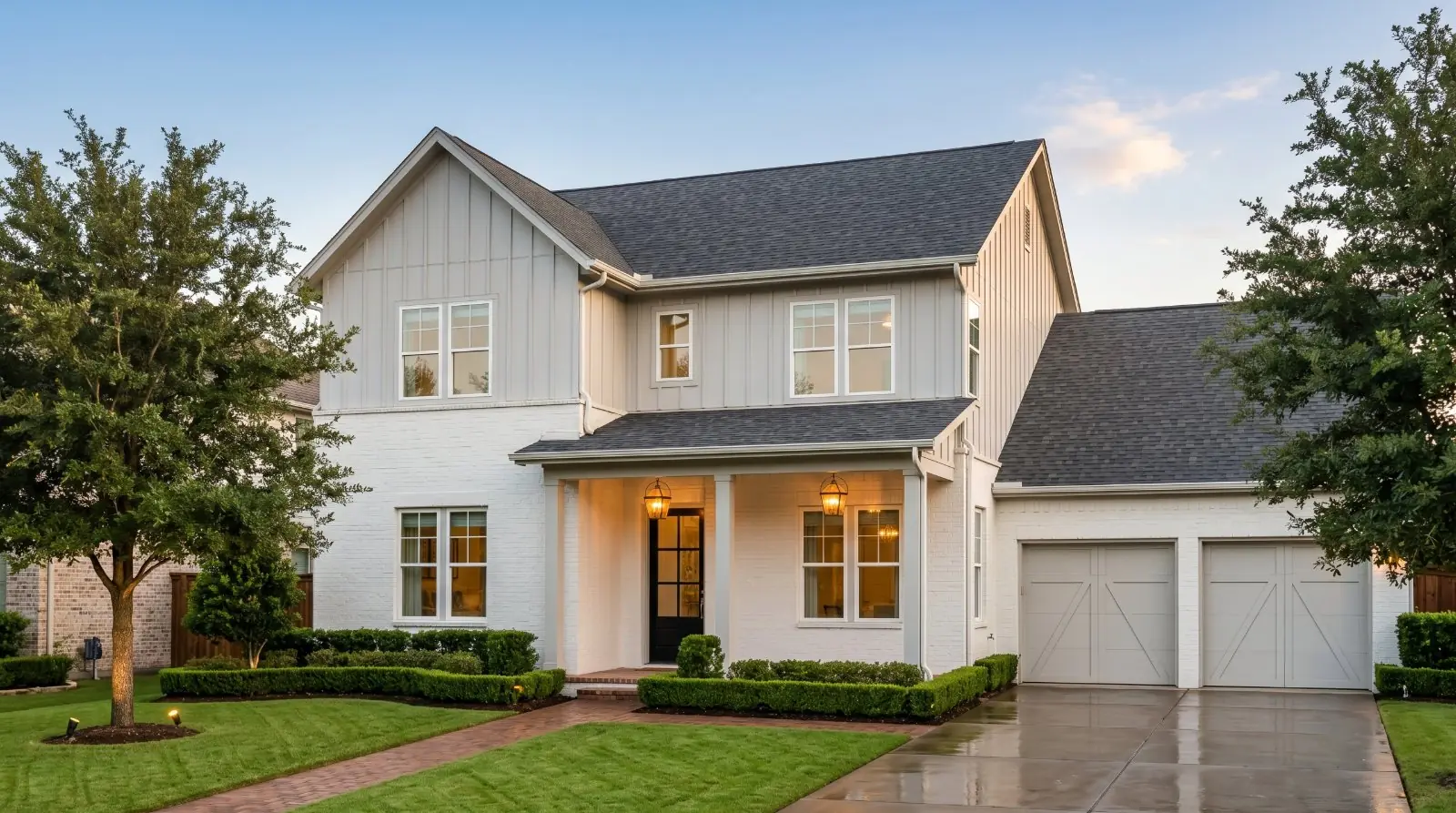
Use the three-quarter exterior angle described in The five-minute fix for flat exterior shots — off-axis from the front door, showing the front facade and one side wall, horizon on the lower third.
Step 2 — Turn on every interior light
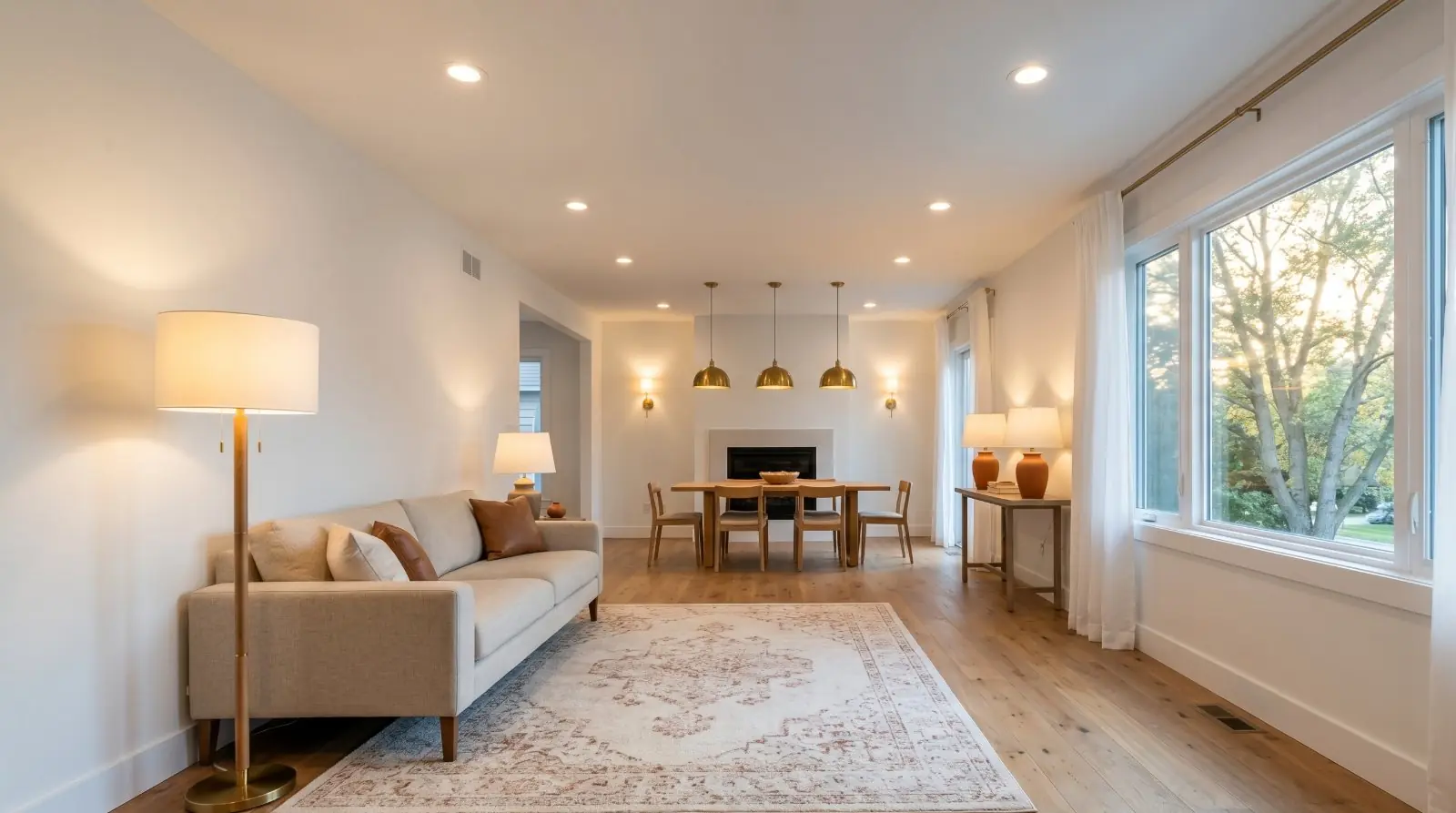
Every light, every room. Curtains and blinds open. Every porch light, garage light, and landscape light on.
This is the work that earns the shot. Walking the house lighting up every fixture takes 10 minutes. Skip a single dark room and you’ll see it in the photo as a black rectangle.
Step 3 — Wait for the moment
Sunset is the start of the shooting window, not the end. The first 10 minutes after sunset, the sky is too bright and the interior lights look weak. The last 10 minutes, the sky is going dark and the home is going isolated.
The shot is in the middle 10 to 15 minutes — roughly 15 to 25 minutes after sunset for most months.
Watch the sky. When the blue is the same visual weight as the warm windows, shoot.
Step 4 — Use exposure lock, not auto
The single most important phone-camera move. Tap to focus on the front of the home. Tap-and-hold until AE/AF LOCK appears. Slide the exposure down (yes, down) until the sky reads richly blue and the windows are bright but not blown out. Take the shot.
The phone wants to over-expose at twilight because it sees the dark areas around the house and tries to lift them. Exposure lock overrides that.
Step 5 — Bracket if you can
Take three shots at each composition: one at exposure-locked, one half a stop brighter, one half a stop darker. In iOS, you can adjust the exposure slider between shots. In post, pick the one that landed best, or blend the brighter and darker exposures if the contrast is too high.
This is the closest the phone gets to professional HDR bracketing. It is what produces a phone twilight shot that holds up next to a DSLR twilight shot at carousel size.
What to avoid
1. Shooting before sunset. The sky is still too bright. The interior lights read as nothing. Not a twilight shot — just an evening shot.
2. Shooting after full dark. The sky is black. The home is a floating box of warm windows. Reads as isolated, not inviting.
3. Mixed interior bulb temperatures. Some windows reading warm, others reading cool, in the same photo. Match the bulbs in the rooms the camera can see — see Three accessories worth carrying in your listing bag.
4. A messy or cluttered exterior. Trash cans visible. Hose on the lawn. Garbage day. The cleanliness rules for daytime exteriors apply to twilight too — the warm interior lights make every dark mass in the foreground more visible, not less.
5. Faking it. A mid-day shot edited to look like twilight reads as fake, fails the NAR Article 12 “true picture” test, and may trigger California’s AB 723 disclosure requirement. If you want a twilight shot, take one. The 20-minute window comes every day.
When the twilight shot is worth the time
Three situations where it earns the extra trip:
- The listing is in an upper-tier price band. A twilight hero on a higher-priced listing is the standard, and the buyer at that price band is comparing your listing against listings that all use one.
- The exterior architecture is the play. Modernist glass-heavy homes, lit pool decks, second-storey covered porches, dramatic rooflines — these all reward twilight far more than they reward daytime.
- The neighbourhood is the play. Tree-lined street, golf-course view, lake frontage. Twilight makes the location feel like an experience.
For a typical mid-market suburban listing, daytime exteriors usually carry the carousel. Twilight is a bonus shot, not a required one.
The short version
Twilight on a phone is real. The window is 20 minutes after sunset. Tripod, every interior light on, exposure-locked manually, bracket if you can. Be in position 30 minutes early. The result is the most-engaged-with listing image you will produce all year — for the cost of one extra trip to the property.
Sources
The signature shot. On the phone in your pocket.
Phone photos to market-ready listing images in 10 seconds. Twenty free when you sign up — no credit card.
One photo tip every Sunday.
Real techniques agents are using this week. No spam. Unsubscribe in one click.